
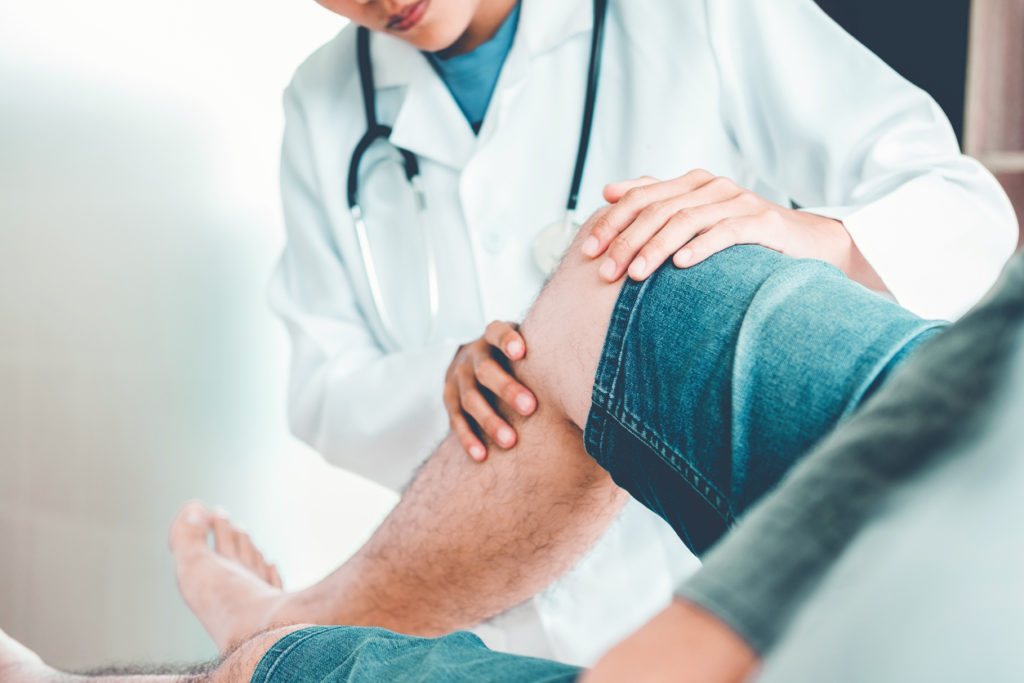
Knee pain is one of the most common musculoskeletal complaints, affecting people of all ages. It may arise from sudden injury, gradual wear and tear, or underlying medical Orthopaedics conditions. Identifying the cause early is vital, as it allows timely treatment and reduces the risk of long-term complications. In this blog, we will explore common knee pain causes and explain when it may be appropriate to seek an orthopaedic surgeon’s opinion.
Understanding Knee Pain
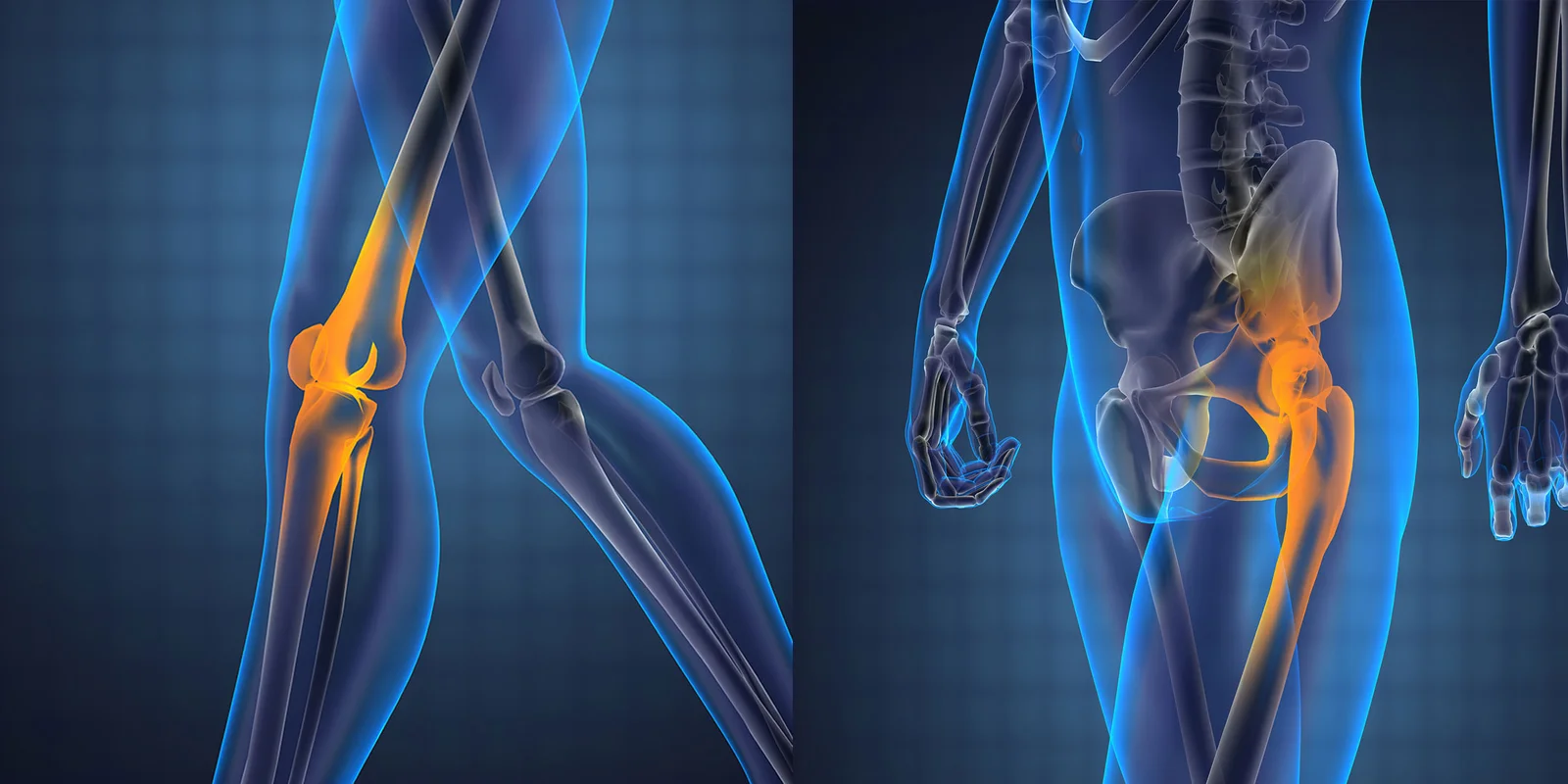
The knee is a complex joint made up of bones, ligaments, cartilage, and tendons. It bears much of the body’s weight, making it especially vulnerable to injury and wear.
Acute knee pain usually appears suddenly, often following trauma or injury.
Chronic knee pain develops gradually and can persist for weeks or months, often linked to arthritis or repetitive stress.
Understanding whether your pain is acute or chronic can help guide the next steps in care.
Common Knee Pain Causes
Injuries
Ligament tears, such as ACL or MCL injuries, are common in athletes and active individuals.
Meniscus tears result from twisting or sudden movements.
Fractures or dislocations may follow accidents or high-impact trauma.
Overuse
Tendinitis develops from repetitive strain on the knee tendons.
Bursitis occurs when fluid-filled sacs in the knee become inflamed.
Chondromalacia when cartilage change causes pain
Arthritis
Osteoarthritis is a degenerative condition causing cartilage breakdown, pain, and stiffness.
Rheumatoid arthritis is an autoimmune disease that can affect knee joints and cause swelling, deformity, and pain.
Gouty arthritis Caused by uric acid crystal buildup leading to sudden joint pain and swelling.
Psoriatic arthritis Inflammatory arthritis linked with psoriasis causing joint pain and stiffness.
Mechanical Problems
Patellar tracking disorder occurs when the kneecap moves out of place.
Knock Knee (Genu Valgum) Knees angle inward and touch while ankles remain apart.
Bow Leg (Genu Varum) Legs curve outward at the knees, leaving a gap between them.
Infections and Other Conditions
Knee bursitis or septic arthritis can result in swelling, redness, and warmth.
Other systemic conditions, such as gout, may also affect the knees.
When to See an Orthopaedic Surgeon
Persistent Pain: If pain continues despite rest or basic self-care, it may indicate a deeper issue requiring evaluation.
Severe Pain After Injury: Sudden, intense pain following trauma should not be ignored, especially if accompanied by swelling or difficulty moving.
Limited Range of Motion: Difficulty bending or straightening the knee could suggest structural damage.
Swelling, Redness, or Warmth: Inflammation may point to infection or arthritis and warrants medical attention.
Instability or “Giving Way”: A knee that feels unstable may indicate ligament damage or weakness that needs further assessment.
Popping or Grinding Sensations: Clicking, popping, or grinding can result from cartilage damage or arthritis.
Visible Deformity or Suspected Fracture: A bent or misshapen knee following injury may require urgent medical care.
Fever Alongside Knee Pain: Fever with joint pain may suggest infection and requires prompt investigation.
Chronic Pain (12 Weeks or Longer): A specialist should always assess ongoing pain lasting several weeks or months.
What an Orthopaedic Surgeon Can Do
Accurate Diagnosis
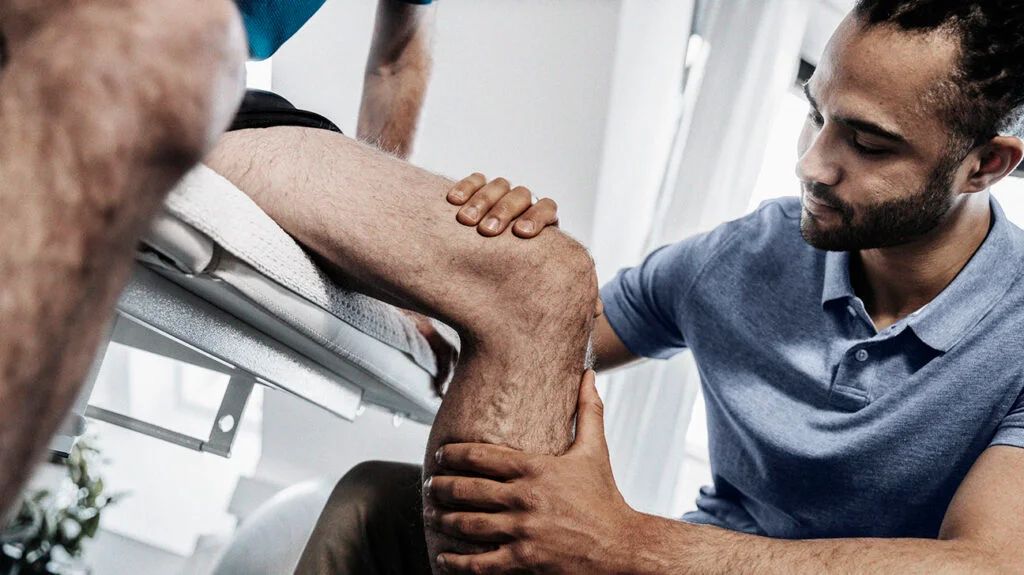
Orthopaedic surgeons perform a physical examination and may order imaging tests such as X-rays, MRI, or CT scans to determine the cause.
Tailored Treatment Options
Non-surgical approaches often come first, including medication, physiotherapy, bracing, or lifestyle adjustments.
In some cases, injections such as corticosteroids or hyaluronic acid may be offered to relieve pain and improve mobility.
Surgical Interventions (if needed)
If conservative methods are not effective, surgery may be considered. Options include ACL reconstruction, meniscus repair, or partial/total knee replacement, depending on the condition.
Long-Term Management
Ongoing management may involve physiotherapy, preventive strategies, or lifestyle guidance to protect joint health and reduce future risks.
Why Early Consultation Matters
Early diagnosis prevents minor problems from becoming severe. Timely treatment reduces the likelihood of permanent damage, maintains mobility, and improves quality of life.
When to Consider Seeing a Doctor
Even if symptoms seem minor, consulting a doctor can provide reassurance and ensure the right course of action. Seeking medical help early is always safer than waiting for the condition to worsen.
Conclusion
Knee pain can result from injuries, overuse, arthritis, or other conditions. Understanding the causes of knee pain is the first step towards managing the problem effectively. Persistent or severe symptoms should never be ignored. Consulting an orthopaedic surgeon ensures accurate diagnosis, appropriate treatment, and long-term care that helps protect your joint health.



Leave a Reply