
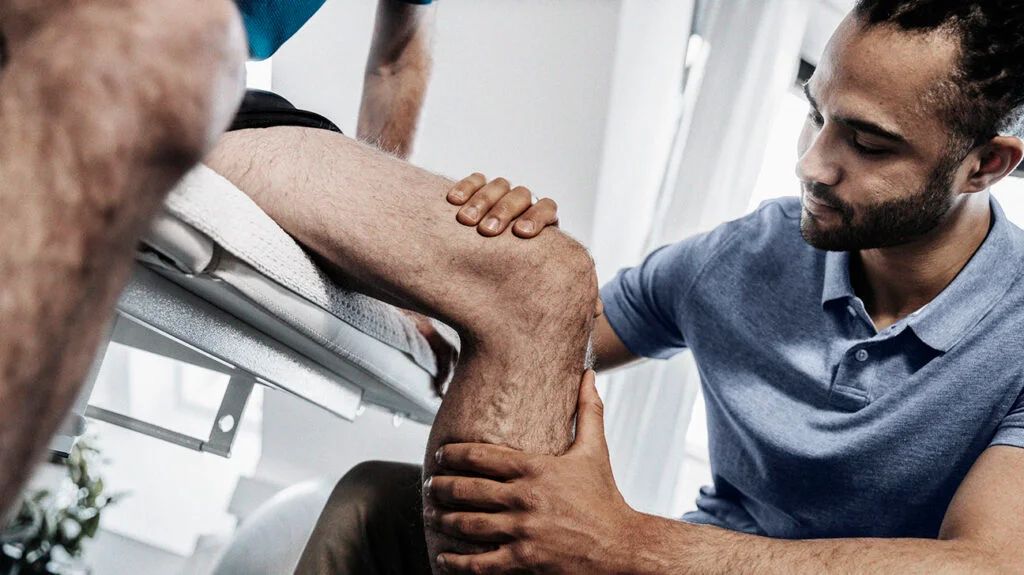
Category: Orthopedics
-
Identifying the Types of Arthritis & Tips for Care
Arthritis is one of the most common diseases in this country. According to the Arthritis Foundation, there are roughly 54 million adults in the United States with a diagnosed case of arthritis. In most cases, people commonly think of arthritis as the condition of having painful, stiff joints. But there…
-

How to Keep Your Joints Healthy as You Age
As you age, the fluids that lubricate your joints decrease and the cartilage protecting your bones breaks down. Because of this, joints become stiffer and less flexible, causing discomfort. While damage to joints can’t be reversed, taking care of your joints can help reduce pain or discomfort. Take steps to…
-
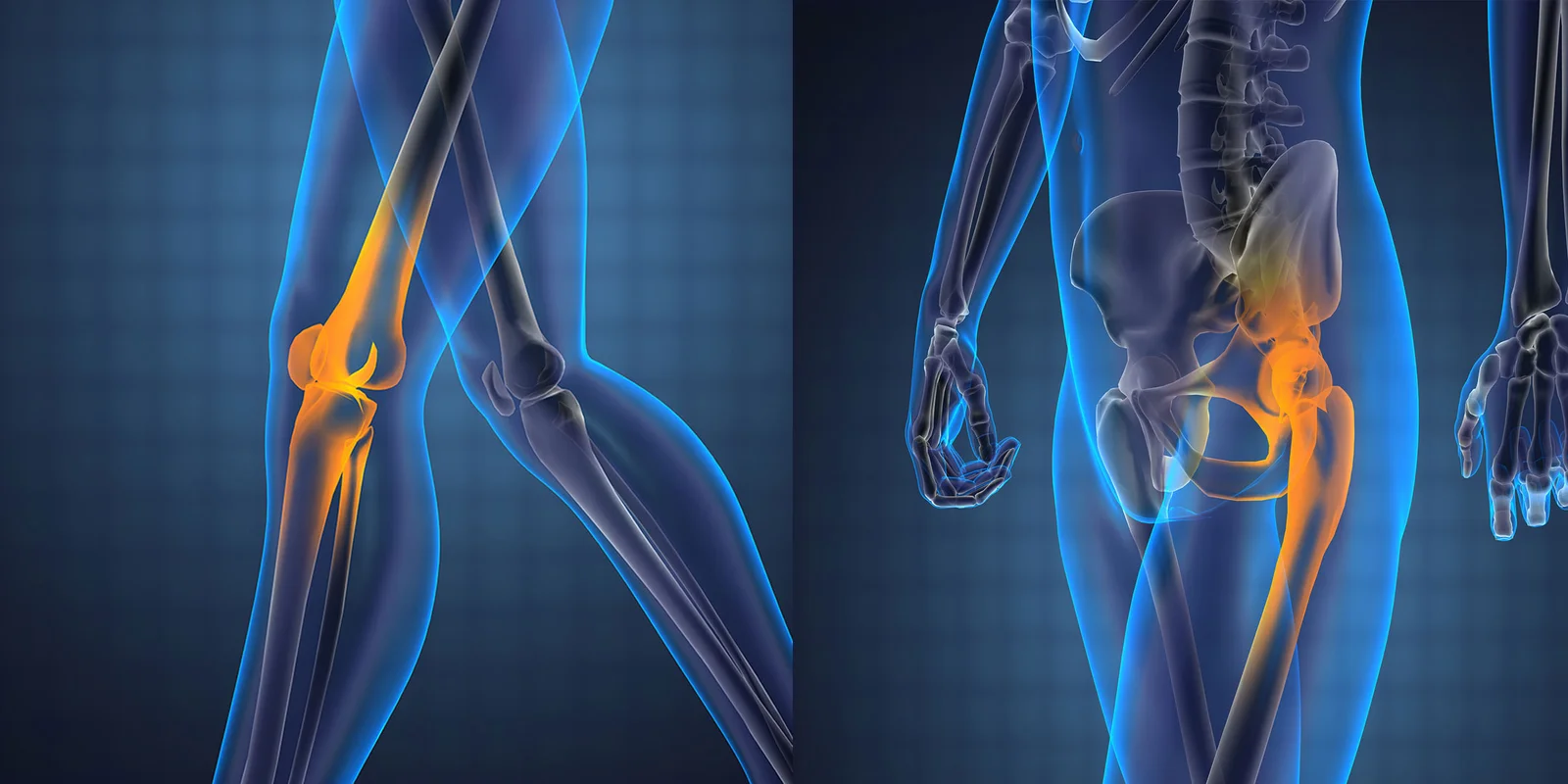
Hip & Knee Pain: When to See a Specialist (And What Your Options Are)
Hip and knee pain are among the most common reasons people seek medical care — particularly as they get older. But knowing when to see a specialist, and what that actually means for treatment, isn’t always clear. As Dr Anil Goudar explains, seeing an orthopaedic surgeon doesn’t automatically mean surgery.…
-
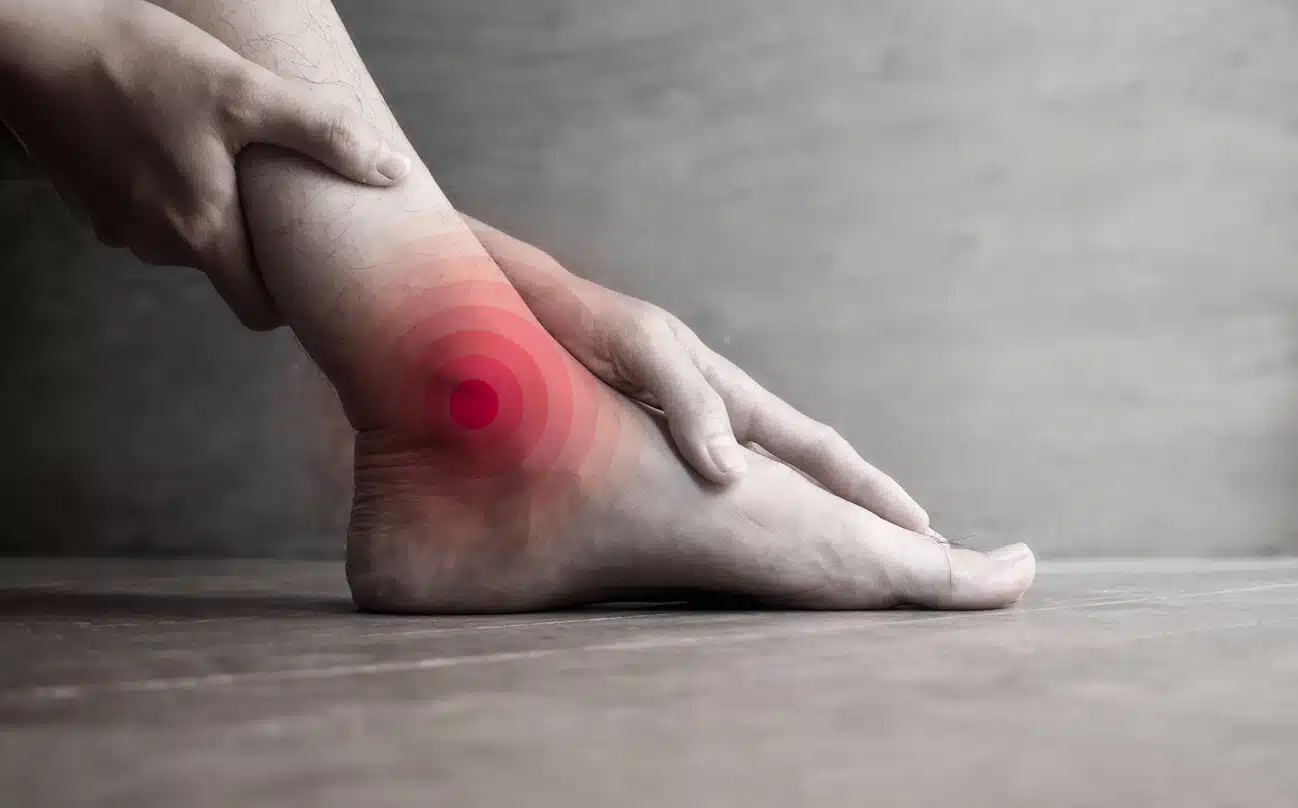
Foot & Ankle Pain: When to See a Specialist (And What to Expect)
Foot and ankle pain is common but knowing when to seek specialist care isn’t always clear. For many people, symptoms begin gradually: stiffness, swelling, pain during activity, or a sense that something “isn’t quite right.” Others experience sudden injuries that don’t improve as expected. As Dr Sheraz Anjum explains, persistent…
-
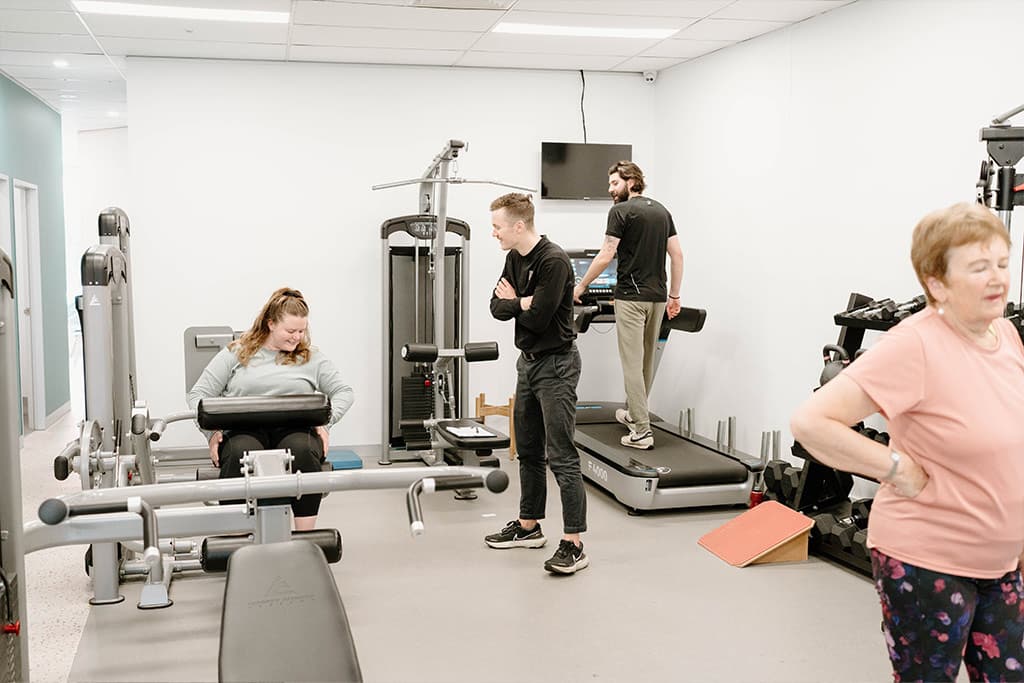
Physio or Exercise Physiologist? How They Work Together at Joint Vision
When you’re injured or trying to return to sport, it’s common to wonder: Should I see a physiotherapist or an exercise physiologist? At Joint Vision, the answer is simple — both play a vital role, and the best outcomes happen when they work together as part of one integrated team.…
-

How Aging Affects Joints: Problems and Care Tips for the Elderly
As we age, your joints might start to feel stiff or painful. Ageing affects joints significantly. This causes wear and tear over time and thereby causing joint pain. This natural process occurs when the cartilage that cushions your joints, deteriorates. It’s important to understand how ageing affects joints so that…
-
Strong Bones from Childhood Habits That Support Lifelong Bone Health
Parents often ask, When does bone strength really begin? Can weak bones in childhood be corrected later? What habits make bones strong for life? Medical science is clear that childhood bone health begins much earlier than most people think. A child’s bones are not just small adult bones. They are…
-
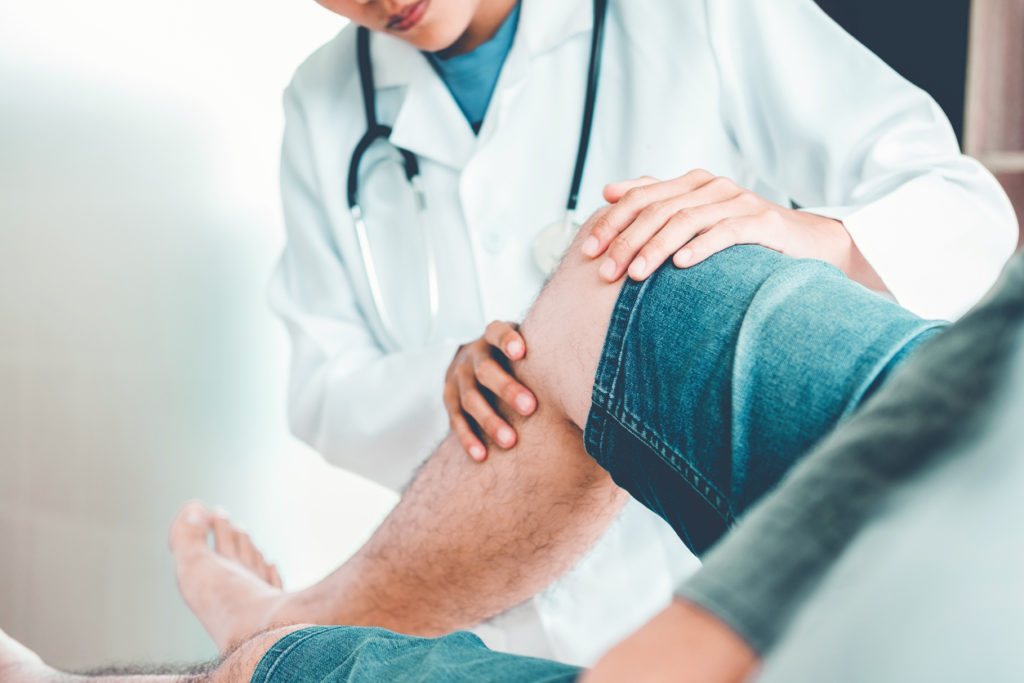
Knee Pain Causes: When to Consider Seeing an Orthopaedic Surgeon
Knee pain is one of the most common musculoskeletal complaints, affecting people of all ages. It may arise from sudden injury, gradual wear and tear, or underlying medical Orthopaedics conditions. Identifying the cause early is vital, as it allows timely treatment and reduces the risk of long-term complications. In this…
-
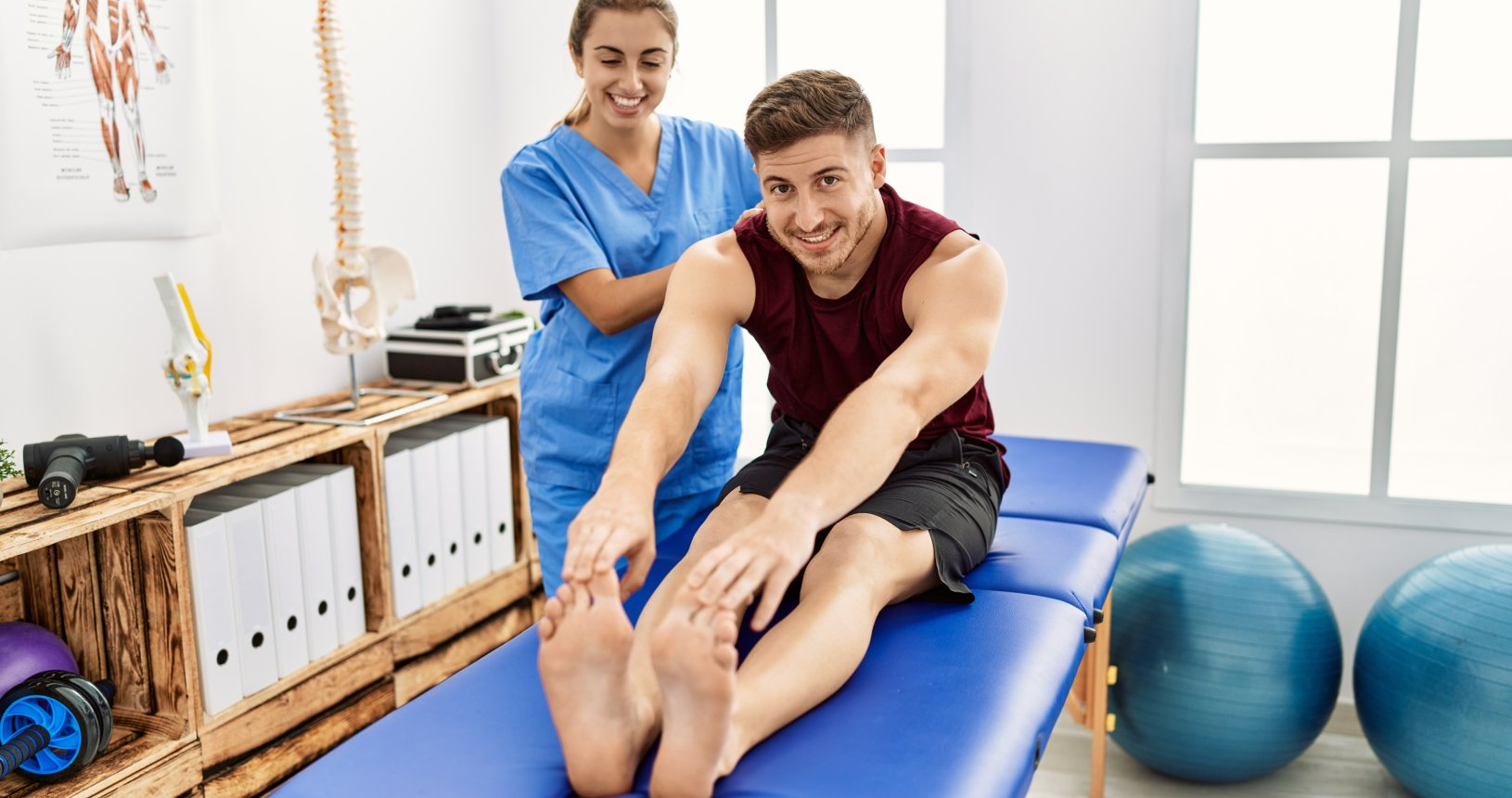
Best Exercises Recommended by Orthopaedics for Post-Surgery Recovery
Recovering after surgery is not just about healing the wound. It is about regaining strength, mobility and confidence to return to everyday activities. Post-surgery exercises play an essential role in ensuring a smooth rehabilitation. However, not every exercise is suitable for every patient, and this is where the guidance of…
-
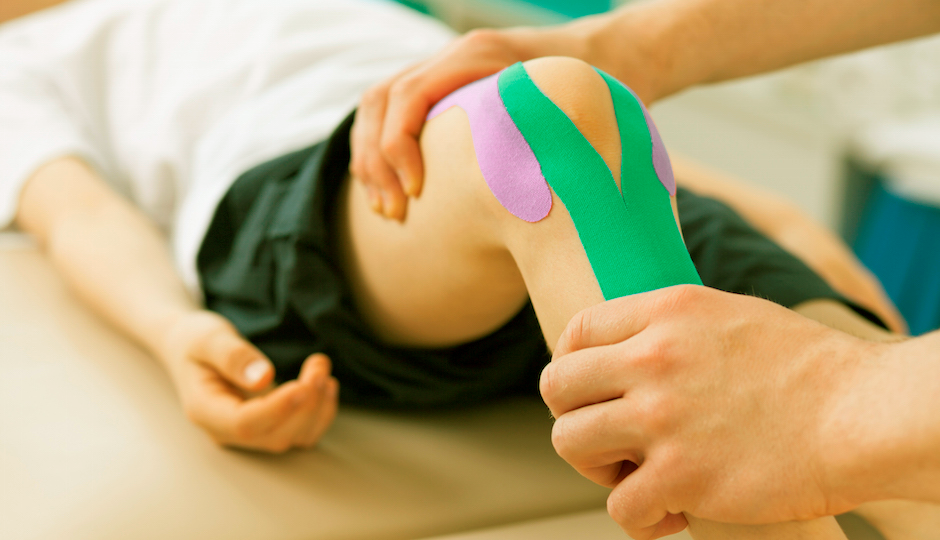
Pediatric Orthopaedics: Common Bone Disorders in Children
Children are naturally active, and their growing bones and joints are more vulnerable to injuries and developmental conditions than those of adults. According to studies, around 1 in 5 children experience musculoskeletal problems, ranging from fractures and flat feet to congenital disorders such as clubfoot or developmental dysplasia of the…